

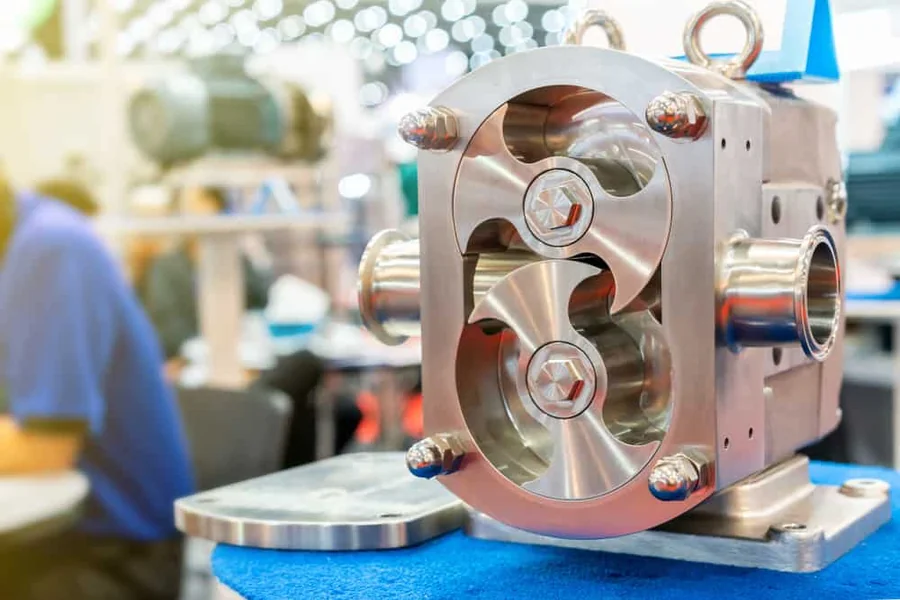
Selecting the right type of pump for your application can make a significant difference in operational efficiency, performance, and long-term maintenance costs. Two common types of gear pumps to consider are rotary gear pumps and external gear pumps. Each offers unique advantages and is suited to specific applications, making the decision heavily reliant on understanding your needs and the capabilities of these pumps.
This blog will provide a comprehensive comparison of rotary gear pumps and external gear pumps, detailing their key features, applications, and benefits, to help you determine which is the optimal choice for your requirements.
Understanding Gear Pumps and How They Work
Gear pumps, in general, are positive-displacement pumps that use gears to transfer fluids. By trapping fluid between rotating gear teeth and the pump housing, these pumps deliver a steady and accurate flow rate, even at high pressures. Gear pumps are widely used in industries such as manufacturing, chemical processing, and oil & gas due to their reliability and precision.
What Are Rotary Gear Pumps?
Rotary gear pumps utilize a pair of counter-rotating gears to move fluid. One gear (the driving gear) is motor-driven, while the other (the idler gear) turns in unison. The rotation creates suction, pulling fluid into the pump, which is then trapped between the teeth of the gears and carried to the discharge side.
Rotary gear pumps are designed for handling high-viscosity fluids, even those containing small particles. These pumps are known for their compact design, quiet operation, and the ability to provide pulsation-free flow.
What Are External Gear Pumps?
External gear pumps, on the other hand, feature two gears with external teeth that rotate against each other. Like rotary gear pumps, the gears trap fluid and transfer it through the pump. However, because of the external gear design, these pumps are typically used for applications requiring higher accuracy and pressures.
External gear pumps are valued for their high efficiency, compact size, and the ability to handle a broader range of fluid viscosities while maintaining consistent performance. They are also adept at handling applications where precise fluid metering is required.
Comparing Rotary and External Gear Pumps
-
Fluid Viscosity Compatibility
-
Rotary Gear Pumps:
Rotary gear pumps excel in handling high-viscosity fluids such as oils, resins, and syrups. Their robust construction allows them to provide reliable performance with thicker materials and even semi-solid fluids.
-
External Gear Pumps:
While external gear pumps can handle a wide range of viscosities, they are better suited to moderate and low-viscosity fluids, such as fuels or aqueous solutions. They struggle with extremely thick fluids compared to rotary gear pumps.
-
Applications
-
Rotary Gear Pumps:
These pumps are ideal for applications requiring the transfer of heavy, viscous liquids. This includes industries such as food processing (e.g., chocolate and molasses transfer), petrochemicals, and adhesives. Their design makes them an excellent choice for continuous operation in demanding conditions.
-
External Gear Pumps:
External gear pumps thrive in high-precision applications such as hydraulic systems, chemical dosing, and fuel injection. These pumps are often used in processes where consistent flow and accuracy are critical.
-
Pressure Handling
-
Rotary Gear Pumps:
Rotary gear pumps operate at moderate pressures and are not generally suitable for applications requiring extremely high-pressure performance.
-
External Gear Pumps:
External gear pumps can handle higher pressures than rotary gear pumps, making them more suitable for use in equipment or processes requiring precise pressure management.
-
Maintenance and Durability
-
Rotary Gear Pumps:
With fewer moving parts and a simpler design, rotary gear pumps are often easier to maintain. They perform efficiently in environments where the pump is exposed to heavier or abrasive fluids.
-
External Gear Pumps:
External gear pumps are typically built for rugged use but may require more frequent maintenance if used in high-wear applications. Their precision components necessitate careful handling during servicing.
-
Cost Considerations
-
Rotary Gear Pumps:
Rotary gear pumps are generally more economical upfront and have lower maintenance requirements for high-viscosity fluid systems.
-
External Gear Pumps:
External gear pumps often come with a higher initial cost due to the precision engineering required; however, their superior efficiency can lead to cost savings in high-accuracy applications over time.
How to Choose the Right Gear Pump for Your Application
The choice between rotary gear pumps and external gear pumps ultimately depends on your specific operational demands. Consider the following factors before making a decision:
-
Fluid Characteristics
Determine the viscosity, abrasiveness, and chemical properties of the fluid you need to handle.
-
Pressure and Flow Requirements
Identify the operating pressure and flow rate needed for your application.
-
Precision Needs
Consider whether precise fluid metering or delivery is critical to your operation.
-
Maintenance and Longevity
Factor in durability and ease of maintenance, especially in continuous or demanding environments.
-
Budget Constraints
Balance initial investment costs against long-term operational savings.
If your primary concern is handling high-viscosity fluids in bulk transfer applications, rotary gear pumps are likely your best option. However, if you require high-pressure performance or precise control for low- to moderate-viscosity fluids, external gear pumps will deliver superior results.
Partnering for Pump Selection and Success
Selecting the right pump can feel like a daunting task, but working with the right partner can simplify the process. By understanding your specific application and operational needs, you can ensure optimal performance and efficiency.
Whether you need assistance selecting between rotary gear pumps and external gear pumps or want to explore additional options for your business, reaching out to the pump experts can provide valuable guidance.
