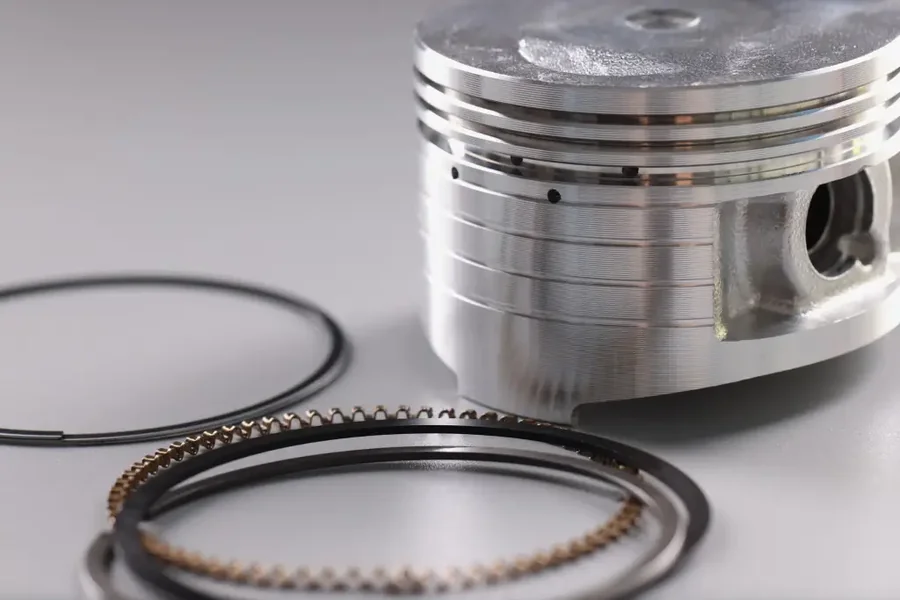

Piston rings are vital components in internal combustion engines. They seal combustion gases, regulate oil consumption, and transfer heat from the piston to the cylinder wall. Positioned between the piston and cylinder, they maintain compression and prevent gas leakage, essential for efficient power generation. Their design, precision fit, and material composition directly influence engine performance, fuel efficiency, and overall emissions output.
In addition to sealing, piston rings help control the amount of lubricating oil that reaches the combustion chamber, reducing oil burn and preventing carbon buildup. A properly functioning set of piston rings minimizes friction, ensures smoother engine operation, and extends the engine’s lifespan. Because of their impact on both mechanical efficiency and environmental standards, selecting high-quality piston rings tailored to specific engine types and operating conditions is essential for optimal performance.
What Are Piston Rings?
Piston rings are split rings fitted into grooves on a piston’s outer edge to seal the combustion chamber, prevent gas leakage, and control oil flow. Without them, engines lose efficiency, suffer higher emissions, and risk damage from heat and oil contamination.
Most engines use three types: compression rings to seal combustion gases, wiper rings to remove excess oil, and oil control rings to manage lubrication. Each plays a crucial role in maintaining performance and reducing wear, making proper selection and maintenance essential for engine reliability.
Typically, engines use three types of piston rings:
- Compression Rings: Seal the combustion chamber, preventing gas leakage.
- Wiper (Scraper) Rings: Assist in sealing and controlling oil film thickness.
- Oil Control Rings: Regulate the amount of lubricating oil on the cylinder walls.
Functions of Piston Rings
Piston rings serve several critical functions:
- Sealing the Combustion Chamber: They prevent combustion gases from escaping, ensuring maximum pressure for power generation.
- Regulating Oil Consumption: They prevent oil from entering the combustion chamber by scraping excess oil from cylinder walls.
- Heat Transfer: They conduct heat from the piston to the cylinder wall, aiding in temperature regulation.
- Supporting Piston Stability: They help maintain the piston’s position within the cylinder, reducing wear and tear.
Materials Used in Piston Rings
The choice of material affects the ring’s durability and performance:
- Cast Iron: Offers good wear resistance and is commonly used in standard applications.
- Ductile Iron: Provides enhanced strength and flexibility and is suitable for high-performance engines.
- Steel Alloys: Used in high-stress environments, offering superior strength and resistance to deformation.
Advanced coatings like chromium or molybdenum are often applied to improve wear resistance and reduce friction.
Manufacturing Process of Piston Rings
The production of piston rings involves several precise steps:
- Casting or Forging: Raw materials are shaped into rough ring forms.
- Machining: Rings are machined to exact dimensions, ensuring proper fit and function.
- Heat Treatment: Enhances mechanical properties like hardness and strength.
- Surface Finishing: Processes like coating or polishing reduce friction and wear.
Quality control is crucial throughout to ensure each ring meets stringent specifications.
Maintenance and Replacement
Regular inspection and maintenance of piston rings are essential for engine health. Signs of wear include increased oil consumption, reduced compression, and blue smoke from the exhaust. Replacing worn rings involves removing the piston, cleaning the grooves, and installing new rings with the correct orientation and gap settings. After installation, a proper break-in period is crucial to allow the rings to seat correctly and ensure optimal sealing.
Get the Best Piston Rings
Piston rings play a crucial role in engine performance by sealing combustion gases, controlling oil use, and transferring heat; their design and material impact power, efficiency, and emissions. Choosing the right piston rings and maintaining them properly helps extend engine life and reduce costly repairs.
Whether you’re designing, maintaining, or repairing engines, understanding piston ring types, materials, and fit is essential for optimal results. Consult engine specialists or trusted suppliers to ensure you get the best piston rings for your needs—boosting performance, reliability, and efficiency.